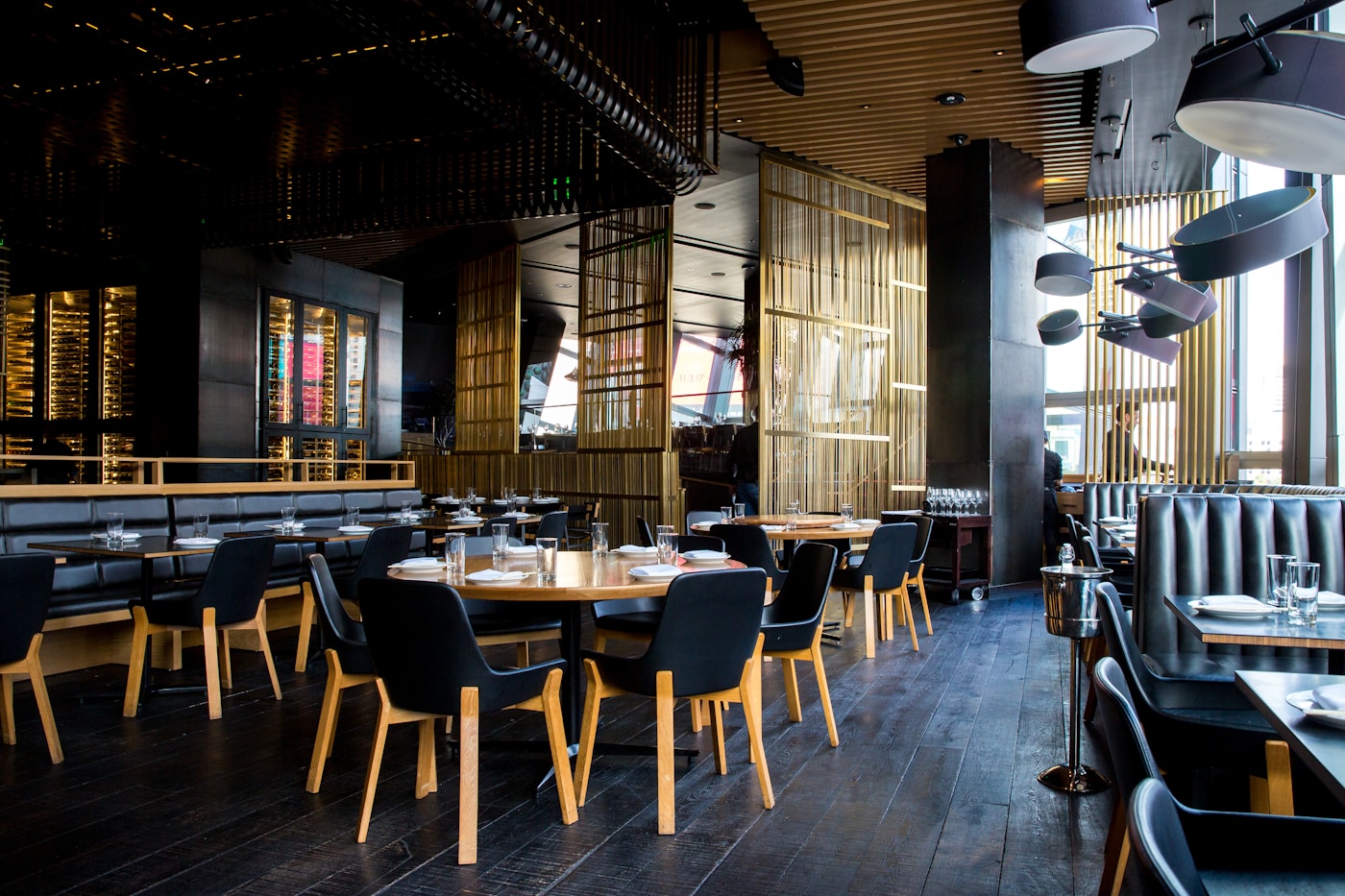
Douyin group buying allows customers to purchase a package or voucher through Douyin and use it according to the offer's terms, often at a physical venue. A diner might discover a restaurant through a short video, purchase a set menu for two, and arrange a visit to enjoy the meal.
For a Hong Kong business, this connects two moments that marketing often treats separately: discovering a brand and deciding to become a customer. The content introduces the experience; the offer gives the customer something specific to consider.
Three related terms appear frequently: Douyin group buying, Douyin Local Life and Douyin Laike. Understanding their different roles is the starting point for assessing whether the channel suits your business.
Douyin is a platform serving mainland China and is distinct from TikTok. This article concerns Douyin and its local services business. A Hong Kong company's eligibility, available features and proposed offers must be assessed against the applicable platform requirements.
Three Names, Three Different Roles
| Term | What It Means | Why It Matters |
|---|---|---|
| Douyin group buying (抖音團購) | A transaction format through which customers purchase packages or vouchers and use them under stated conditions. | The business needs a clear offer and a reliable way to deliver it. |
| Douyin Local Life (抖音生活服務) | The broader business area connecting venues, promotional content, transactions and the delivery of local services. | Group buying sits within a wider customer experience. |
| Douyin Laike (抖音來客) | The official merchant platform for Douyin's local services business, covering product listings, operations and fulfilment tools.[1] | It supports the merchant's operational work behind the customer experience. |
In practice, a business asking about "Douyin group buying" may need help with several connected tasks: presenting its venue, describing an offer, producing content and preparing staff to welcome customers who have purchased it.
From a Short Video to a Restaurant Visit
Consider a hypothetical boutique restaurant in Hong Kong that meets the relevant platform requirements. It serves contemporary Cantonese cuisine and wants to introduce its dining experience to visitors from mainland China.
The restaurant develops a dinner menu for two, with seasonal ingredients and the unhurried service its guests expect. The following journey illustrates how an offer could work; it does not describe an approved product or a FaceBid client campaign.
1. The Customer Discovers the Restaurant
A prospective diner sees a short video showing the dining room, a signature dish being prepared and the table setting. The content gives a sense of the restaurant's character and helps the viewer picture the occasion: a relaxed lunch, an evening with a partner or a meal during a Hong Kong visit.
The presentation should reflect what a guest will actually find. Location, atmosphere and the style of food can be as useful as a carefully composed dish photograph.
2. The Customer Understands the Offer
Interested viewers need to know exactly what they would be buying. The listing should explain the dishes included, the number of diners, the participating venue and the applicable dining periods.
Reservation requirements, additional charges and any restrictions should be easy to find. If a drink shown in the video is not included, the description should make that clear. These details allow the customer to decide with confidence and give the restaurant a consistent basis for service.
3. The Customer Purchases and Plans the Visit
After reviewing the terms, the customer purchases the offer and makes any necessary reservation through the applicable process. The purchase record alone should not be treated as a confirmed table booking unless the actual arrangement says so.
This is where straightforward information matters: the correct branch, the restaurant's address, the booking process and the permitted dates. A customer planning a short trip needs to understand whether the offer fits their itinerary.
4. The Restaurant Welcomes the Guest
On arrival, the guest presents the required purchase evidence. Staff check the relevant conditions and complete the applicable redemption procedure, often referred to in Chinese as "核銷". Redemption records that the voucher or offer has been used; it is separate from purchasing it.
The reception team should know what the menu includes and who can resolve a question about a booking or voucher. The guest can then settle into the experience they came for.
5. The Experience Fulfils the Promise
The food, pacing and attention should match the expectation created by the content and offer. Staff should understand any agreed differences between the package and the restaurant's other menus, so they can explain them naturally.
For the business, this completes the connection between online interest and a visit. Actual purchase, reservation, refund and redemption arrangements depend on the offer and the platform's current rules.
How a Considered Offer Can Support a Brand
For a restaurant, hotel or lifestyle business, an offer is an introduction to the brand. Its value needs to be apparent in the experience being presented.
Choose an Experience That Represents the Brand
Begin with what the business does well. A restaurant might select dishes that express its cooking style. A clearly defined experience can help someone unfamiliar with the venue understand where to begin and what makes a visit worthwhile.
Let the Price Reflect the Value of the Experience
Price still matters, but it should be considered alongside the ingredients, service, inclusions and cost of delivery. An attractive headline price is only useful if the business can honour the offer consistently and on acceptable commercial terms.
Maintain Consistency from Content to Service
The same care applies to presentation. Photography should show the actual experience. Descriptions should be specific about what is included. Reservations and arrival instructions should feel as considered as the menu itself.
A useful question when reviewing a proposed package is: would a first-time guest leave with an accurate understanding of our brand? That question helps the team assess the whole experience, including the details that sit beyond the screen.
Three Things to Prepare Before You Begin
1. Confirm Whether the Business and Offer Are Eligible
Prepare an accurate outline of the operating company, venue locations, business category and proposed product. These facts provide the basis for checking the current requirements.
Another merchant's presence on Douyin does not establish eligibility for your company. The operating entity, location, category and offer may differ. Before committing to production or promotion, ask the team handling the assessment to distinguish confirmed requirements from matters still awaiting verification.
2. Define One Offer Clearly
Choose an experience that the customer can understand and the business can deliver with consistency. Agree its contents, participating venue, validity period, reservation requirements, restrictions and any additional charges.
Have the marketing and venue teams review the same description. Finance should also understand the cost of fulfilling the offer and any applicable charges. This creates a practical foundation for deciding whether the proposition makes commercial sense.
Starting with one clearly defined offer makes the discussion more focused. It gives everyone a specific experience to review before a wider range is considered.
3. Prepare the People Who Will Receive the Customer
Decide who will answer booking questions, check purchases and handle redemption. Identify a responsible person for exceptions, such as a guest arriving at the wrong branch or asking to use an offer outside its stated period.
Walk through the journey with the venue team before promotion begins. Staff should be able to explain the offer in straightforward language and locate the information they need. For a business built on service, these preparations are part of the customer's experience of the brand.
Frequently Asked Questions
Is Douyin Group Buying Another Name for Douyin Local Life?
They describe different things. Group buying is one transaction format within Douyin Local Life. Local Life is the broader business area, encompassing venues, content, transactions and the delivery of services. Understanding the distinction helps a merchant identify the support it needs.
Is Posting Douyin Videos the Same as Running Group Buying?
No. A video can introduce a venue or product without offering a purchase. Group buying adds a transaction and the arrangements for using the purchased package or voucher. The two activities can support each other, but they involve different work.
Does Group Buying Mean Competing Only on Discounts?
No. The proposition also depends on the experience, inclusions and clarity of the offer. Any price advantage should sit within a commercially sound package that the business can deliver. The terms of the specific product and applicable platform rules still need to be checked.
Should a Hong Kong Merchant Open an Account or Prepare an Offer First?
Start by describing the business and proposed offer, then check the applicable eligibility requirements. The outline gives the assessment a practical basis. Final account arrangements, production and promotion should follow confirmation of what is available to that merchant.
Discuss Your Business with FaceBid
FaceBid's published Douyin Local Life service overview (Chinese) covers merchant and group-buying setup, content and operational support.[2]
To begin a discussion, contact FaceBid on WhatsApp with your business category, venue locations and the experience you would like to introduce. These details give the team a starting point for discussing suitability, preparation and the scope of support.
Chat on WhatsAppSources
- Douyin Laike official merchant portal: used to establish the merchant platform's role, not the eligibility of an individual Hong Kong business.
- FaceBid: Douyin Local Life: used to check FaceBid's publicly described service scope.